What Keeps India from Achieving Early Initiation of Breastfeeding for All Newborns?

The World Health Organization  (WHO) and UNICEF strongly recommend initiating breastfeeding within one hour of birth for optimal infant health, nutrition, development and growth. This evidence-based recommendation is globally recognized and is a key component of the Baby-friendly Hospital Initiative (BFHI) and the Ten Steps to Successful Breastfeeding outlined by WHO and UNICEF.

In India, this recommendation is officially embraced and actively promoted through multiple national programs and professional guidelines:

  • The Ministry of Health and Family Welfare supports early initiation through the Mothers’ Absolute Affection (MAA) program, which is a comprehensive breastfeeding support initiative designed to raise awareness, train healthcare providers, and improve breastfeeding rates including early initiation.
  • The Ministry of Women and Child Development includes the same recommendation in  the national guidelines on infant and young child feeding, emphasising timely initiation of breastfeeding within one hour of birth as a critical practice for improving infant health outcomes.
  • Professional bodies such as the the Indian Academy of Pediatrics and the National Neonatology Forum of India (NNF) and civil society organisations like Breastfeeding Promotion Network of India (BPNI) have issued clear, evidence-based guidelines emphasizing that breastfeeding should begin as soon as possible after birth, preferably within the first hour to ensure that baby receives colostrum,  and to enhance breastfeeding success in the immediate and long term.

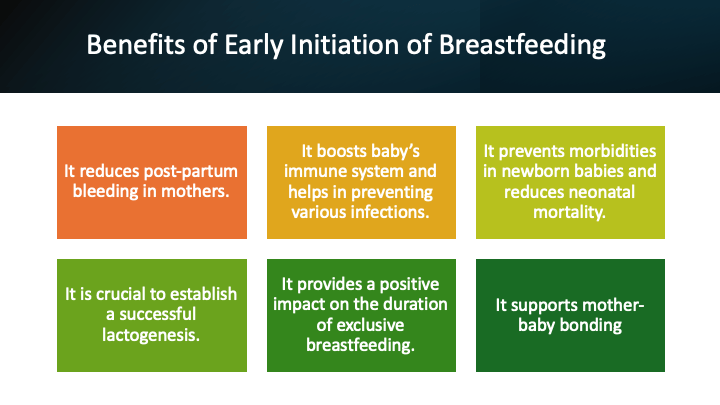
While benefits of breastfeeding in general are well documented, Early Initiation of Breastfeeding (EIB) imparts special health benefits to both, the  mother and the baby

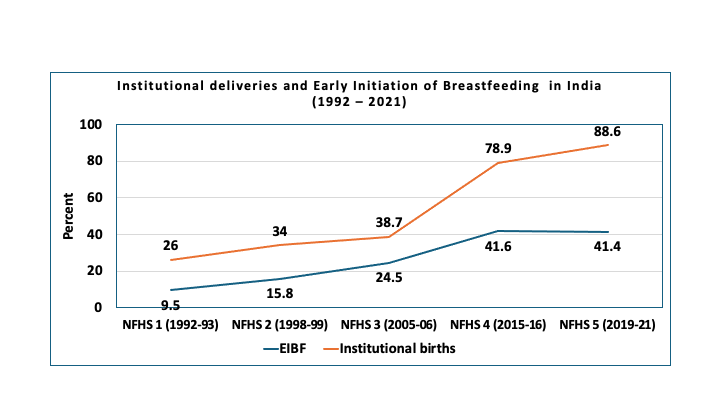
Early Initiation of Breastfeeding (EIB) is practiced in only 41.4% of births in India, meaning that every second newborn misses out on its proven, life-saving benefits. Alarmingly, India’s rate of EIB is lower than the global average of 48%.

With nearly 25 million births every year, a vast majority (88.6%) take place in health facilities — 61.9% in public institutions and 26.2% in private ones. Despite this, more than half of these facility-born infants are not breastfed within the first hour of birth. In absolute terms, of the 2.5 crore annual deliveries, only about 1 crore mothers (41.6%) initiate breastfeeding early. More worrisome is the fact that since last so many years, there is no change in the situation. This highlights a serious gap in breastfeeding support and counseling within both public and private healthcare systems, raising urgent concerns about the quality of maternal and newborn care practices across the country.
Breastfeeding unfriendly hospital practices  

Undesirable practices in the health facilities undermines establishment of lactation and hinders the mother to practice optimal breastfeeding including Early Initiation of Breastfeeding. This has been documented in several published studies from India (See study 1study 2study 3; study 4study 5). Heavy workload on the existing staff – Doctors and nurses are already carrying heavy responsibilities, leaving them with limited time to engage in counselling or extend skilled support to mothers.

Some of the breastfeeding unfriendly hospitals practices identified in the above-mentioned studies are listed below. 
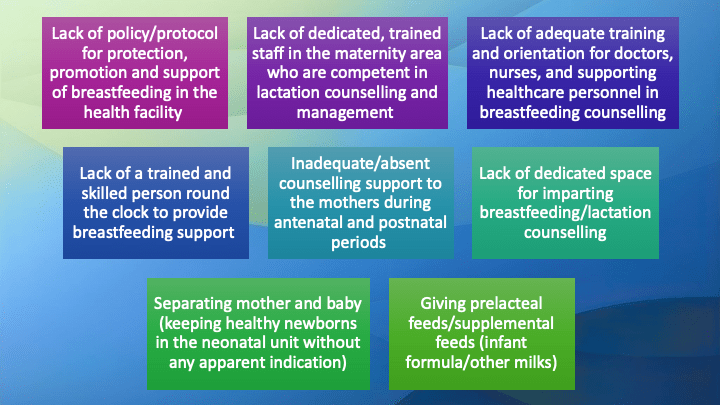
Many hospitals are not practicing globally recommended, evidence based breastfeeding friendly practices in the delivery room like skin-to-skin care after birth, latch-on in the delivery room/operation theatre, assigning dedicated staff for early latch-on and documenting early latch-on in the baby records.

In many hospitals, existing staff including doctors and nurses are already having heavy workload and do not find dedicated time to counsel and provide skilled support to the mothers.

Inadequate protection of breastfeeding from commercial interests: Baby food companies circumvent ethical and legal guidelines by directly targeting mothers—often presenting themselves as providers of childcare or breastfeeding education. They further promote their brands by displaying products within health facilities and promoting their image through sponsorships, gifts, and academic event funding, undermining unbiased breastfeeding support.

Sub-optimal Maternal Awareness and Knowledge

Many mothers, particularly first-time mothers (primigravida), have limited awareness about the importance of initiating breastfeeding early. This gap often arises from inadequate information provided during antenatal visits and insufficient emphasis on breastfeeding counselling. As a result, when asked to begin breastfeeding immediately after birth, many mothers feel unprepared. Influenced by their own uncertainty and by family members who share common myths—such as the belief that breastmilk is insufficient during the initial days—they may turn to infant formula instead of exclusive breastfeeding.

Harmful Cultural Practices and Beliefs

In many parts of India, cultural norms and traditional practices continue to encourage behaviors such as pre-lacteal feeding (administration of honey, water, or other substances before initiating breastfeeding) and the discarding of colostrum. These practices, though deeply rooted in custom, contribute to suboptimal newborn nutrition and expose infants to health risks, underscoring the need for sustained awareness and behavior change interventions.

 Caesarean Section (CS) Deliveries

Caesarean section is associated with delayed initiation of breastfeeding, which can negatively affect newborn health outcomes. In India, about 21.5% of all births are delivered by caesarean section—47.4% in private facilities and 14.3% in public (government) facilities. This means that roughly one in every five babies in India is now born through a C-section, and the trend has been steadily rising over the years. Importantly, in most CS deliveries where the newborn is stable, breastfeeding can and should be initiated in the operation room itself to support optimal early bonding and nutrition.

However, initiation of breastfeeding is delayed in CS deliveries due to several reasons.

  1. There is a common misconception within communities that mothers who deliver by caesarean section (CS) produce less breastmilk and therefore cannot breastfeed adequately. In reality, this belief is not supported by scientific evidence. The physiological mechanisms that regulate breastmilk production and supply function in the same way, regardless of whether the birth is vaginal or by caesarean section.
  2. A post‑caesarean mother often requires additional support to initiate breastfeeding, particularly within the first 24 hours when she may be confined to a supine position. In the absence of appropriate assistance for positioning and latching, there is an increased likelihood of early introduction of infant formula.
  3. Following a cesarean delivery, there is often a delay in transferring the mother from the post-operative care unit to the postnatal ward. During this period, even clinically stable newborns are routinely separated from their mothers and admitted to the NICU for observation, where they may be unnecessarily exposed to formula feeding.

With timely support, guidance, and encouragement, mothers who undergo CS can successfully initiate and sustain breastfeeding. Help from a trained and skilled person is required for the mother to breastfeed the baby.
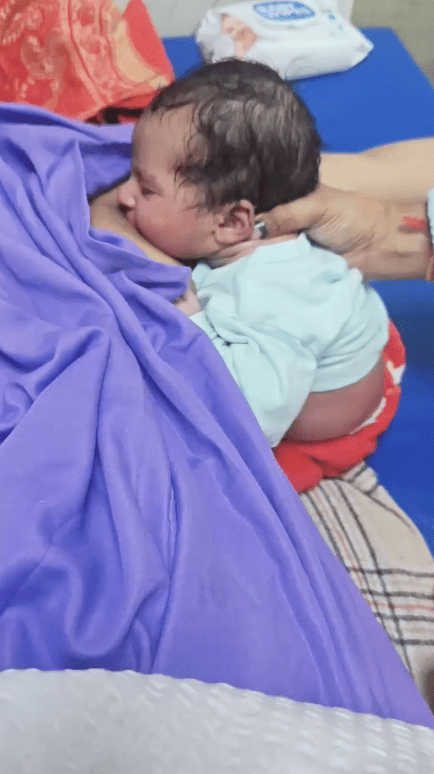
Photo Credit: Dr. Rupal Dalal, Mumbai

Inadequate Support from Health Care Providers

A major barrier to the early initiation of breastfeeding is the limited support provided by maternal and child health care providers.

Several factors contribute to this challenge, including:

  • A prevailing misconception among healthcare providers is that maternal milk production during the first few days postpartum is inadequate, which often leads to the recommendation or acceptance of formula feeding as a temporary substitute. This belief is particularly common following caesarean section (CS) deliveries, where breastfeeding is perceived to be more challenging. Correcting these misconceptions through evidence-based guidance is essential to ensure that mothers receive appropriate support for early initiation and continued success of breastfeeding.
  • Many healthcare providers lack adequate knowledge and practical skills to support mothers in achieving effective latching or to offer evidence-based counselling on infant feeding. This gap largely stems from limited breastfeeding education during undergraduate and postgraduate training. Consequently, when confronted with feeding-related concerns from mothers and families, providers may often default to the easier option of recommending formula feeding.
  • Baby food companies often target healthcare professionals with commercially driven and scientifically biased information, aiming to influence their recommendations and encourage the use of infant formula.

In most cases, breastfeeding can be initiated within the first hour after birth with appropriate support from trained healthcare staff and family members (See here). Achieving this goal requires coordinated action at multiple levels, including national and state policies as well as programmatic interventions. This write-up, however, focuses on the steps that can be undertaken at individual healthcare facilities. The following section outlines key interventions needed in hospitals and maternity centers, where the majority of deliveries take place.

Learning and unlearning among the health care providers about the breastfeeding: 

All the professionals providing maternal and child health care in the hospital should be sensitized about the importance of breastfeeding for the baby, mother, hospital staff and the hospital. This should include health care providers working in the pediatrics, obstetrics, delivery room, operation theatre, out-patient department, post-natal ward.  All the consultants, resident doctors, interns, post-graduate students, nursing staff, and the general duty attendants working in the above areas should be included in the sensitization programme. The idea is that everyone caring the mother, baby and the family should speak in similar voice. They should be apprised about the health and nutrition benefits of successful breastfeeding to the mother- baby dyad; benefit to the hospital staff in terms of decreased morbidities in the baby leading to decreased workload; benefit to the hospital in terms of improving the quality of care to the mother and the baby. They should learn that infant formula is not a safe alternative to breastfeeding.
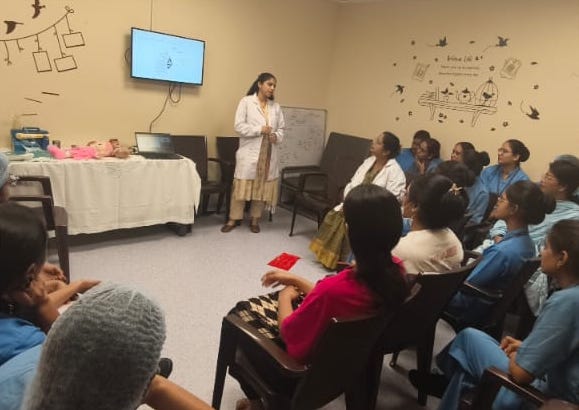
Health facility should establish optimal breastfeeding services:  

The need is to implement a structured programmes in the health facilities to improve breastfeeding initiation, duration of any breastfeeding and exclusive breastfeeding. This is possible to achieve, as concluded in a  systematic review. Hospital practices can be improved if the health facilities address the identified barriers and show determination and desire to act. 

  • Hospital administration recognizing the breastfeeding services as an important component of obstetrics and childcare services. They should take necessary steps for improving hospital practices to ensure successful breastfeeding by the mothers. 
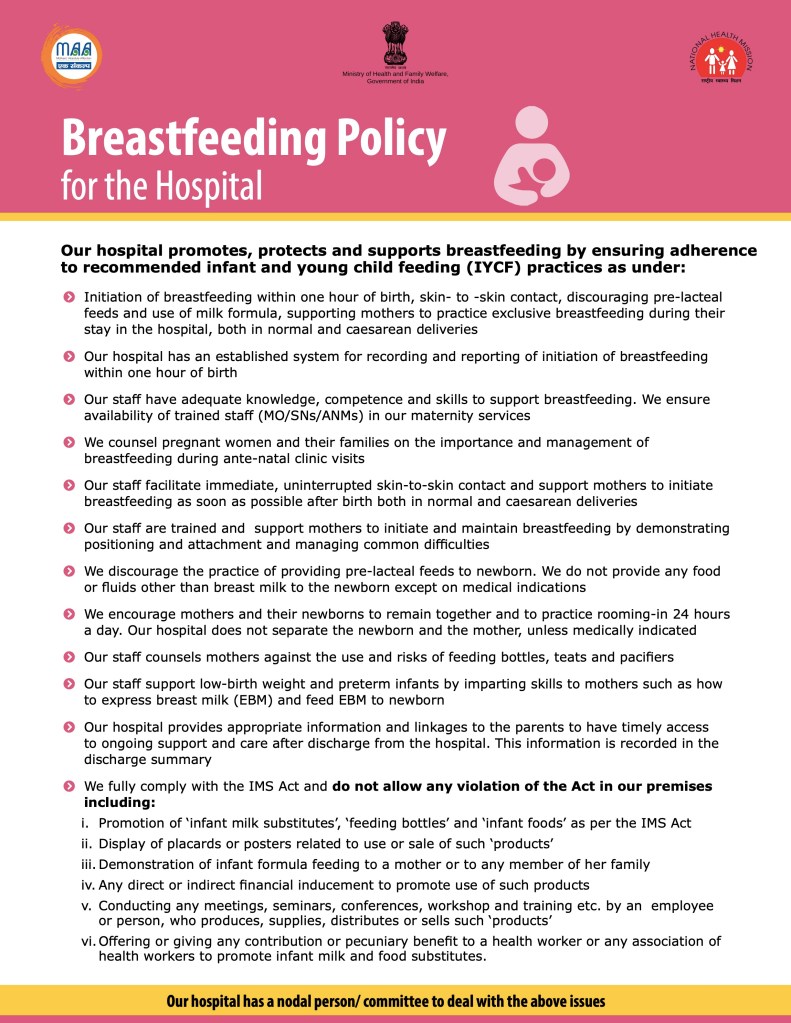
  • Developing and adopting a breastfeeding policy for the hospital. MOHFW, Government of India has developed a prototype breastfeeding policy for hospitals, which can be adopted by the hospitals. (See the image at the end of the article)
  • Employing trained lactation support professionals
  • Organizing trainings of health care providers on breastfeeding counselling
  • Establishing ante-natal breastfeeding counselling service in the hospital
  • Establishing breastfeeding corners/room in the hospital premises
  • Maintaining and reporting breastfeeding data regularly
  • Auditing cesarean deliveries regularly and having a policy to use this method of delivery only for the established clinical indications
  • Prohibiting promotion of baby foods and feeding bottles in the hospital
  • Going for accreditation of the hospital for BFHI as a quality assurance programme
  • Adopting Quality Improvement Methods. ( See here

These steps, if adopted collectively, can foster a supportive environment for breastfeeding, benefiting mothers and infants, and aligning the hospital with national and global standards of obstetric and childcare excellence.

The discussion above highlights that early initiation of breastfeeding is crucial for the optimal growth and development of infants, as well as for the health and well-being of mothers. Strengthening early initiation practices is both necessary and achievable through focused attention and structured interventions at health facilities, within communities, and by government agencies. Health professionals, in particular, should play a central role in guiding and supporting mothers to begin breastfeeding within the first hour of birth.
Ensuring children’s rights to proper sanitation and safe drinking water – The Indian Story!

Introduction

It is unfortunate that a large proportion of world ’s children do not have access to safe drinking water and sanitation. This is in spite of the global recognition for these interventions as crucial determinants of child health and nutrition and, therefore, contributing to preventable morbidities, increased risk of death and malnutrition in children. 

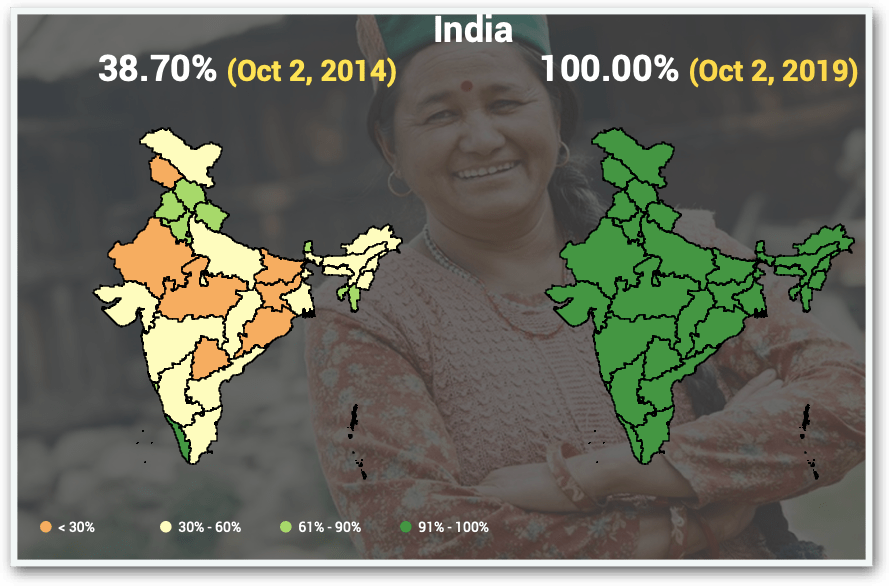
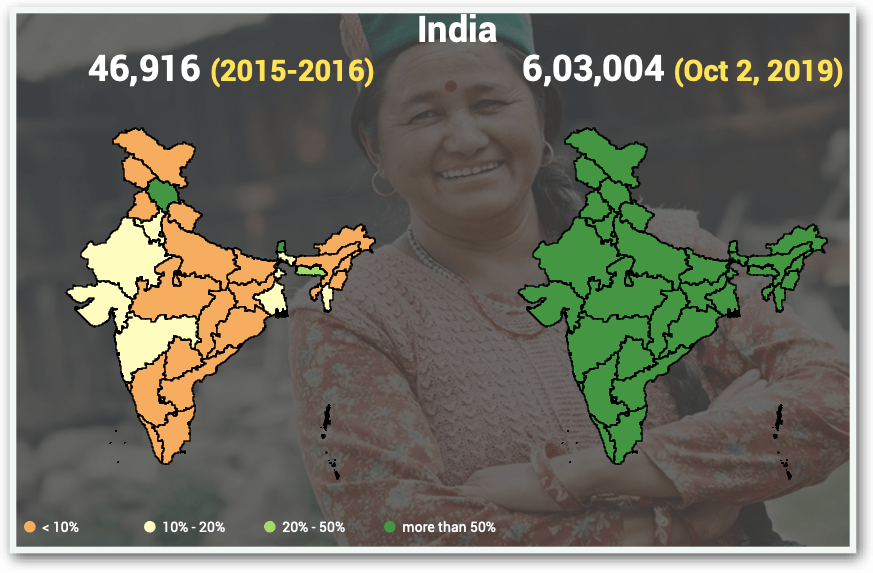
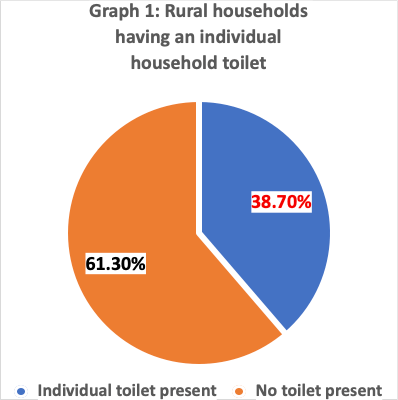
India contributes significantly to the global pool of children without access to drinking water and sanitation facilities. According to the National Family Health Survey 4 (NFHS – 4, 2015-16 page 259), only 36 percent of under five children’s stools were disposed of safely in India, which means the child either used a toilet/latrine or child’s stools were put/rinsed into a toilet/latrine or stools were buried. Similarly, only 38.70% rural households were having an individual household  toilet in October 2014 (See Graph 1). 46920  out of about 600,000 (7.82%) villages were open defecation free on 2nd October 2014 while in 2015-16, only 5 districts out of 711  were open defecation free. (See here)

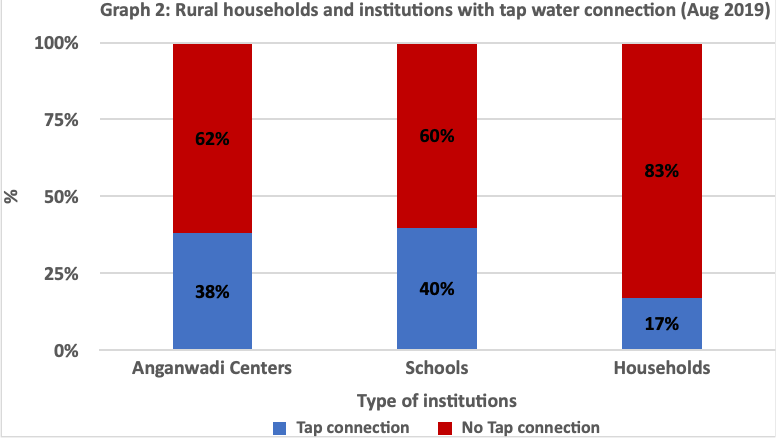
As on 15th August 2019, out of 18,95,52,857 rural households in India, only 3,23,62,838 (17.07%) were having a tap water connection. While, out of 10,30,820 schools in the country, only 408,943 (39.6%) schools and only 428,890 Anganwadi Centres out of 11,28,813 were having tap water connection. (See here)   (See Graphs 2)

It is important to note that India houses largest number of  malnourished children and also reports highest number of deaths in children under five years of age in the world. In India, 30.9% of children under five are stunted (low height for age) and 18.7% are suffering with wasting (low weight for height). While, 824,000 children under the age of five years die each year in the country. Two-third of these deaths happen during the neonatal period (0-28 days of life), about 300,000 children die between the age of 1 – 59 months. (See here Infections like diarrhoea remains an important cause of these deaths. 

Till the recent past, policies and programmes to address child health and nutrition gave more emphasis to therapeutic interventions to tackle the burden of infectious diseases like diarrhoea; and food supplementation to counter acute and chronic malnutrition, while giving less than adequate attention to provide safe drinking water, toilet facilities and hygienic practices. However, during the last 6-7 years, the Government of India has taken up programmes on sanitation and drinking water on a mission mode. It will be interesting to see how these programmes with renewed strategies add to improve child health and nutrition in the country in the coming periods.

Safe drinking water and proper sanitation are crucial  for optimal child health and nutrition

Access to safe drinking water and sanitation has an immense public health importance. Unsafe drinking water and poor sanitation are linked to childhood morbidities like diarrhoea, cholera, dysentery, hepatitis A, enteric fever, poliomyelitis, intestinal worm infestation like ascariasis and hookworm, acute and chronic malnutrition and trachoma. 

Diarrhoea: Diarrhoea is an important cause of child deaths globally. According to an estimate, globally, diarrhoea causes 1.5 million child deaths each year, 88% of which is attributable to poor WASH (Water, Sanitation and Hygiene) practices. In India, it accounts for approximately 9 per cent of all deaths among children under age 5 in 2017. Recurrent diarrhoea episodes may cause nutritional deficiencies leading to malnutrition, reduced resistance to infections and sub-optimal growth and development. Fluid loss during an acute diarrhoea episode, if not treated appropriately, may lead to dehydration and death. (See here) Better water, sanitation, and hygiene could prevent deaths of thousands of children aged under 5 years each year

Stunting: Poor sanitation and unsafe drinking water leading to diarrhoea and other infections are important determinants of Stunting along with food insecurity. A multi-country analysis of the effects of diarrhoea on childhood stunting revealed that 25% of stunting can be attributed to >or=5 diarrhoeal episodes before 24 months of age. A study from Ethiopia which examined association between childhood malnutrition and water, sanitation, and hygiene among children aged 6–59 months found that there was an inverse association between household access to a improved toilet facility and childhood malnutrition.  Similarly, an ecological regression analysis  from India found that a 10% increase in open defecation was associated with a 0.7 percentage point increase in both stunting and severe stunting. A cross-sectional study from eastern India found that water facility outside the household premise, unimproved sanitation facility and non use of soap after defecation had significant association with poor nutritional status of adolescent girls.

“You really can’t address stunting unless you clean up the sanitary environment. It doesn’t matter how much extra food you try to stick into kids or how much dietary supplements you give them, it will all just go through them.”

Clarissa Brocklehurst, Former Chief of Water, Sanitation and Hygiene for UNICEF, speaking about Indian children

Typhoid fever: Typhoid is a serious, life threatening bacterial infection, endemic in developing countries like India. The organism generally enters the human body through contaminated food or water. The risk of getting the infection is more in population that lacks access to safe water and adequate sanitation. (See here) Primary strategies for preventing typhoid fever include safe water supply, adequate sanitation facilities and proper hygienic practices.

Soil-transmitted helminth infections (STH): STH are transmitted through eggs in human faeces, which contaminate the soil when adequate sanitation facilities are not available. Helminth infections with Round worms, Whip worms and Hook worms infection cause nutritional and physical impairment in children. (See here) In India, 225 million children are estimated to be at risk of STH who require preventive and curative intervention with anti-helminthic drugs.

For girls, inadequate sanitation facilities in the educational institutes bring additional socio-economical risks like decreased school attendance and school drop outs. (See here)

Safe drinking water and adequate sanitation interventions will help India to reduce child mortality and undernutrition

Improved access to safe drinking water and sanitation will help India in several ways:

Reducing child mortality and undernutrition:

India is striving hard to improve the dismal situation of high child mortality and undernutrition with the help of various preventive and curative programmes. However, to make a sustainable change in the situation, there is a need to look into public health and social development interventions like access to safe drinking water, adequate sanitation and hygiene with a health, nutrition and child rights perspective and intensify their implementation. As mentioned-above, there is enough evidence to suggest that safe drinking water and adequate sanitation facility are crucial for reducing the child mortality and child malnutrition.

Achieving the Sustainable Development Goals (SDGs):

Improving access to safe drinking water and adequate sanitation will help the country to achieve the Sustainable Development Goals (SDGs) including SDG 2 (target 2.2 – reducing stunting and wasting in children under 5 years of age); SDG 3 (target 3.2 – reducing neonatal mortality to at least as low as 12 per 1,000 live births and under-5 mortality to at least as low as 25 per 1,000 live births). In SDG 6, target 6.1 asks achieve universal and equitable access to safe and affordable drinking water for all, while SDG target 6.2 requires to achieve access to adequate and equitable sanitation and hygiene for all and end open defecation, paying special attention to the needs of women and girls and those in vulnerable situations by 2030.

Fulfilling obligations to the global human rights recommendations:

India as a country has to fulfil its human rights obligations of providing access to safe drinking water and adequate sanitation to all including children. It is important to note that the UN General Assembly has recognised access to safe drinking water and adequate sanitation as a human right. The Convention on the Rights of the Child (via article 24) mandates that the state parties (Country Governments) provide nutritious food and safe drinking water to children to combat disease and malnutrition. It also asks Governments to provide access to education to parents and children and to support them in the use of basic knowledge of child health and nutrition, the advantages of breastfeeding, hygiene and environmental sanitation.

Progress made so far to improve provision of safe drinking water and sanitation in India

Since India’s independence in 1947, several government initiatives attempted to deliver safe drinking water and sanitation facilities. However, the progress was very slow which was further negated by the ever increasing population. In recent years (since 2014), Government of India has launched national programmes on sanitation and safe drinking water in a mission mode. These programmes are backed by strong political commitment at the highest level and adequate financial allocations.

1. Sanitation

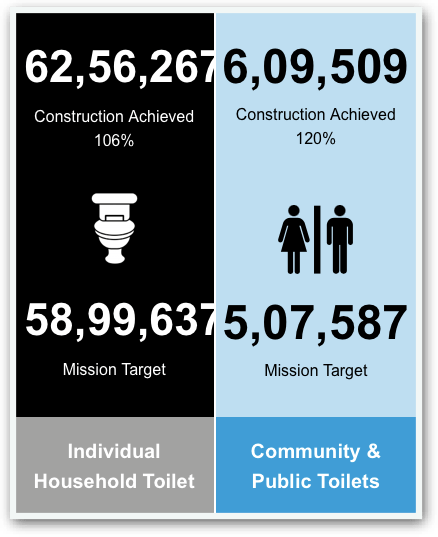
On 2nd October 2014 (Mahatma Gandhi’s Birthday), the Government of India launched the Swachh Bharat Mission (Clean India Mission) in rural and urban areas of the country to achieve universal sanitation coverage in the country. Over 100 Million Individual Household Latrines (IHHL) were constructed in the rural India.  While, more than 6 Million such toilets and more than 600,000 community and public toilets  were built in the urban areas. By 2nd October 2019 (150th Birthday of Mahatma Gandhi), all 600,000+ villages (100%), all 711 districts and states (including Union Territories) were declared Open Defecation Free. Similarly, 4360 (98%) urban areas were declared open defecation free. This is a big achievement in county’s quest to achieve adequate sanitation services for all its citizens. (See Figures 1-3)

 Figure 1 : Individual Household Latrine (IHHL) Coverage in rural areas
Source: https://sbm.gov.in/sbmdashboard/Default.aspx
Figure 2: Open Defecation Free (ODF) Village
Source: https://sbm.gov.in/sbmdashboard/Default.aspx
Figure 3: Sanitation coverage in Urban areas
Source: https://sbm.gov.in/sbmdashboard/Default.aspx

2. Safe Drinking Water

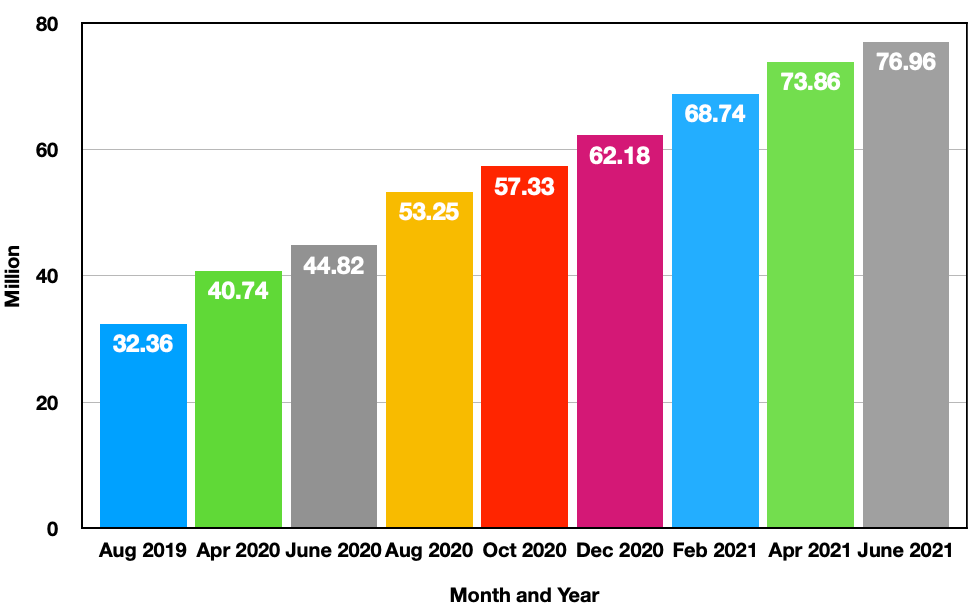
Government of India launched a time-bound programme named Jal Jeevan Mission(programme in mission mode to provide drinking water to every rural household)on 15th August 2019 with a vision to provide Functional Household Tap Connection (FHTC) in every rural home by 2024. Since the inception of the programme, 4,45,99,205 (23.54%) more households have been provided with tap water connection in about two years time period. As on 11th July 2021, 7,69,62,043 (40.63%) households in rural area have a tap water connections, an increase from 3,23,62,838 (17.07%) at the beginning of the programme (See Graph 3). Similarly, 6,69,808 (64.98%)  schools and 6,71,052 Anganwadi centres (59.45%) now have a tap water connection, which is a substantial increase since the beginning of the programme. (See here)

Graph 3: Cumulative No. Of rural HH with Tap Water supply (Million)
Source: https://ejalshakti.gov.in/jjmreport/JJMIndia.aspx

Conclusions

Apart from being a child’s right, access to safe drinking water and sanitation is crucial for the health and nutrition of children. Countries like India, which are facing high child undernutrition and mortality should include these interventions as basic and essential components of care. Without ensuring safe drink water and sanitation facilities, it will be impossible to achieve optimal health, growth and development of children. It is difficult to believe that these interventions did not get policy makers attention on an urgent basis during last so many decades. However, efforts made by the Government agencies in India during the last few years would ensure clean drinking water to the households, biggest beneficiary of which will be children. Similarly, access to in-house latrines will facilitate safe disposal of children’s excreta, reducing the chances of water and food contamination and therefore preventing the killer diseases like diarrhoea. This will contribute to healthy growth of children and make a dent in the high prevalence of undernutrition in the country.

“Water and Sanitation is one of the primary drivers of public health. I often refer to it as “Health 101”, which means that once we can secure access to clean water and to adequate sanitation facilities for all people, irrespective of the difference in their living conditions, a huge battle against all kinds of diseases will be won.” 

Dr LEE Jong-wook, Director-General, World Health Organization (2004-06)

Vaccinating lactating women against COVID-19 in India

Introduction

From 16th January 2021, India launched the Covid-19 vaccination programme to protect health workers and frontline workers. Later, from 1st March 2021 vaccination drive was extended to people above 60 years of age and of 45 years of age with specific co-morbidities. From 1st April 2021 people of more than 45 years of age without co-morbidities were also included in the programme. Two vaccines are currently being used in India, Covishield, a recombinant vaccine based on viral vector technology and Covaxin, whole virion inactivated corona virus vaccine. As on 13th May 2021, more than 177 Million doses using above-mentioned vaccines have been administered. To provide protection to the younger population of the country, India opened up vaccination against the Covid-19 infection for the 18-45 years age group from 1st May 2021.

However, lactating women have been kept out of the vaccination programme as they were not a part of any Covid-19 vaccine trial and therefore, safety data for use of the vaccine in these groups are not available. It is important  to note that a sizeable population comes under the category of pregnant and lactating women in India where 25 million child births occur every year.

There are several unanswered questions. is it prudent to deprive lactating women protection through vaccination from this dreaded infection simply because they were not included in the clinical trials? Has the same criteria of exclusion in clinical trials been used while allowing vaccination in other recipients? What do the published scientific data say about it? What are the recommendations by global agencies, different Government agencies and professional organizations on vaccinating the lactating women? This article explores available information on some of these issues.

What scientific information is available on use of COVID-19 vaccine in lactating women?

Vaccines currently available in India are non-live vaccines. It is not expected that they will be significantly excreted into breastmilk or absorbed by the infant. No non-live, inactivated vaccine (recombinant or killed organism) has ever been reported to cause adverse effects in infants via breastfeeding. (See) There is no reason to assume that a vaccine is harmful, and exclusion should rely on clinical evidence rather than assumption. In fact, non-live vaccines, like Flu vaccine, are considered safe and therefore used in lactating women. (See)

There are several published reports, mainly from the USA, about use of mRNA vaccines in pregnant and lactating women, some of which are mentioned below. Instead of any harmful effect to the breastfeeding infants, they have documented the presence of protective antibodies against SARS CoV-2 in the breastmilk. See the list below.

  • A prospective cohort study from the USA looked into transfer of anti-SARS-CoV2 antibodies into human milk after vaccinating lactating mothers. The study found increased levels of anti-SARS-CoV2 IgM and IgG levels in the plasma of lactating mothers and increased anti-SARS-CoV2 Receptor Binding Domain IgA levels in their breastmilk after administration of anti-COVID-19 mRNA vaccines. (See)
  • A study from Israel (n=10) found a rapid and highly synchronized antibody response between breastmilk and serum in lactating women after receiving two doses of COVID-19 mRNA vaccine. Breastmilk samples showed both IgG and IgA with neutralizing capacity. (See)
  • In another study from the USA, researchers found robust humoral immune response with the COVID-19 mRNA vaccine in pregnant and lactating women and vaccine-induced antibody titres were equivalent in pregnant and lactating compared to non-pregnant women. The antibody titres were significantly higher than those induced by natural infection. (See)
  • In a research letter from the USA, the authors found significant sustained elevated anti-spike IgG and IgA levels in breast milk relative to pre-vaccine baseline at all time points after vaccination, and anti-spike protein IgG remained sustained beginning at 20 days after vaccination. (See)
  • A study from the USA documented significant levels of post-vaccine IgG in the breastmilk of all the study participants (n=10) while in 60% of participants, spike-specific IgA, 1 was present. (See)
  • A case report from the USA described a pregnant woman who received one dose of the Moderna SARS-CoV-2 vaccination. It was found that cord blood was positive for SARS-CoV-2 antibodies. (See)
  • A prospective cohort study from USA found that lactating women who received 2 doses of the SARS-CoV-2 vaccine had significantly elevated levels of SARS-CoV-2-specific IgG and IgA antibodies in breastmilk, with an IgG-dominant response. (See)
  • An analysis from USA, of breastmilk from lactating women after receiving mRNA COVID-19 vaccine within 4-48 hours of COVID-19 mRNA vaccination found no evidence of mRNA in the breastmilk. (See)

What are the global/national recommendations?

Several professional organizations and governmental health authorities across the globe have recommended providing  COVID-19 vaccines to breastfeeding women as potential benefits of maternal vaccination during lactation to her own health and that of her infant outweigh any theoretical risks. Some of these organisations are listed below:

World Health Organization:

WHO does not suggest avoiding the vaccine in lactating women. It says, “It is not yet clear whether COVID-19 vaccines can be excreted through breastfeeding. To determine the best course of action, the developmental and health benefits of breastfeeding should be considered along with the mother’s clinical need for immunization against COVID-19. WHO does not recommend discontinuing breastfeeding after vaccination.” (See)

The US Centers for Disease Control and Prevention (CDC):

CDC recommends giving COVID-19 vaccine to lactating women. It says, “Based on how these vaccines work in the body, COVID-19 vaccines are thought not to be a risk to lactating people or their breastfeeding babies. Therefore, lactating people can receive a COVID-19 vaccine. Recent reports have shown that breastfeeding people who have received COVID-19 mRNA vaccines have antibodies in their breastmilk, which could help protect their babies. More data are needed to determine what protection these antibodies may provide to the baby.” (See)

Joint Committee on Vaccination and Immunisation (JCVI), the Department of Health and Social Care, Government of UK: 

The JCVI has issued an advice on priority groups for COVID-19 vaccination, which states,There is no known risk associated with giving non-live vaccines whilst breastfeeding. JCVI advises that breastfeeding women may be offered vaccination with the Pfizer-BioNTech or AstraZeneca COVID-19 vaccines.” (See)

The Department of Health, Australian Government:

Australian Government’s COVID-19 vaccination decision guide for women who are pregnant, breastfeeding or planning pregnancy recommends, “If you are breastfeeding you can receive Comirnaty or COVID-19 Vaccine AstraZeneca at any time. You do not need to stop breastfeeding before or after vaccination.” (See)

Ministry of Health, New Zealand Government:

New Zealand Government recommends vaccination against COVID-19 in breastfeeding women. Its guideline on COVID-19 – Who can get a vaccine’ states,“As with all vaccines on the New Zealand Immunisation Schedule, there are no safety concerns about giving the Pfizer vaccine to women who are breastfeeding. When you’re vaccinated, this can also provide some protection against COVID-19 for your baby through your breastmilk.” (See)

American Academy of Pediatrics (AAP):

AAP states, “the COVID-19 vaccine should be available to teens who are pregnant or breastfeeding and who meet the criteria set by the Advisory Committee on Immunization Practices as a priority group.” (See)

The American College of Obstetricians and Gynecologists (ACOG):

ACOG supports vaccinating lactating women against the COVID-19 infection. Its statement says, “ACOG recommends COVID-19 vaccines be offered to lactating individuals. While lactating individuals were not included in most clinical trials, COVID-19 vaccines should not be withheld from lactating individuals who otherwise meet criteria for vaccination. Theoretical concerns regarding the safety of vaccinating lactating individuals do not outweigh the potential benefits of receiving the vaccine. There is no need to avoid initiation or discontinue breastfeeding in patients who receive a COVID-19 vaccine.” (See)

International Federation of Gynecology and Obstetrics (FIGO):

FIGO supports offering COVID-19 vaccination to pregnant and breastfeeding women. It says, “Breastfeeding confers many health benefits to mother and newborn. COVID-19 vaccines are believed to pose minimal to no potential risk to the newborn through breastmilk. Based on previously administered vaccines, there is the potential for direct neonatal benefit if the vaccine-stimulated immunoglobulin A prove to pass through breastmilk. For breastfeeding women, therefore, the COVID-19 vaccine can be offered if the mother meets the criteria based on prioritisation groups, such as a breastfeeding health care provider.” (See)

Royal College of Obstetricians and Gynecologists (RCOG):

RCOG, in the Q&As on the COVID-19 vaccines, pregnancy and breastfeeding, states, “Although there is lack of safety data for these specific vaccinations in breastfeeding, there is no plausible mechanism by which any vaccine ingredient could pass to your baby through breast milk. You should therefore not stop breastfeeding in order to be vaccinated against COVID-19.” (See)

The Infectious Disease Committee of the Society of Obstetricians and Gynaecologists of Canada (SOGC):

SOGC supports use of COVID-19 vaccines in lactating mothers. Its’ statement on COVID-19 vaccination in pregnancy states, “The SOGC supports the use of all available COVID-19 vaccines approved in Canada in any trimester of pregnancy and during breastfeeding in accordance with regional eligibility.” (See)

The Italian scientific societies: Position statement of six Italian scientific societies:

These societies, namely, the Italian Society of Neonatology (SIN), the Italian Society of Pediatrics (SIP), the Italian Society of Perinatal Medicine (SIMP), the Italian Society of Obstetrics and Gynecology (SIGO), the Italian Association of Hospital Obstetricians-Gynecologists (AOGOI) and the Italian Society of Infectious and Tropical Diseases (SIMIT) have issued a position statement. The statement says, “Currently, knowledge regarding the administration of COVID-19 vaccine to the breastfeeding mother is limited. Nevertheless, as health benefits of breastfeeding are well demonstrated and since biological plausibility suggests that the health risk for the nursed infant is unlikely, Italian scientific societies conclude that COVID-19 vaccination is compatible with breastfeeding.” The statement also recommends inclusion of pregnant and lactating women in future vaccination trials. (See)

Have the same criteria of exclusion in clinical trials been used while allowing vaccination in other recipients?

Clinical trial protocol of Covishield reveals that subjects with any confirmed or suspected condition with impaired/altered function of immune system were excluded from the Phase 2/3 clinical trial of the vaccine.

Clinical trial protocol of Covaxin informs that several groups of people were excluded from the phase 3 trial of the vaccine e.g.

However, the list of 20 specified co-morbidities for determination of eligibility of citizens in age group of 45 to 59 years in India includes several of these categories of people who were excluded from the clinical trial. These are, Moderate or Severe Valvular Heart Disease, Congenital heart disease with severe PAH or Idiopathic PAH, Significant Left ventricular systolic dysfunction (LVEF <40%), Kidney/ Liver/ Hematopoietic stem cell transplant: Recipient/On wait-list, Current prolonged use of oral corticosteroids/ immunosuppressant medications, Decompensated cirrhosis, Primary Immunodeficiency Diseases/ HIV infection, Lymphoma/ Leukaemia/ Myeloma, Diagnosis of any solid cancer on or after 1st July 2020 OR currently on any cancer therapy. Inclusion of persons with above-mentioned co-morbidities among the vaccine recipient groups in spite of their exclusion from the phase 2/3 clinical trials of vaccines is a welcome step. This is a pragmatic approach. A similar approach can be taken in case of lactating women.

Conclusions

Breastfeeding is considered the first vaccine of the infant. In India, where the median duration of breastfeeding is 29.6 months (NFHS-4), it remains the primary source of nutrition to the infants and young children. Breastfeeding is also important to prevent morbidity and mortality during the neonatal period, infancy and childhood and in lactating mothers later on in life. According to one estimate, in India alone, it can prevent hundred thousand childhood deaths each year. For these very facts, protection, promotion and support to breastfeeding have been major components of the Government of India’s initiatives like MAA programme, LaQshya programme, establishing Lactation Management Centres in Public Health Facilities; and Poshan Abhiyan.

With 25 Million women giving birth each year in India, mostly in the age of 18 – 45 years, many of which are part of country’s COVID response (health care providers, security personnel, transport workers, teaching personnel, community level health and nutrition care workers etc.), it will be prudent to provide them protection from COVID-19 with vaccination.

PS: There are some media reports (13th May 2021) stating that National Technical Advisory Group on Immunisation (NTAGI) has recommended provision of COVID-19 vaccination of lactating women. It is a welcome development which should be institutionalised with utmost urgency.